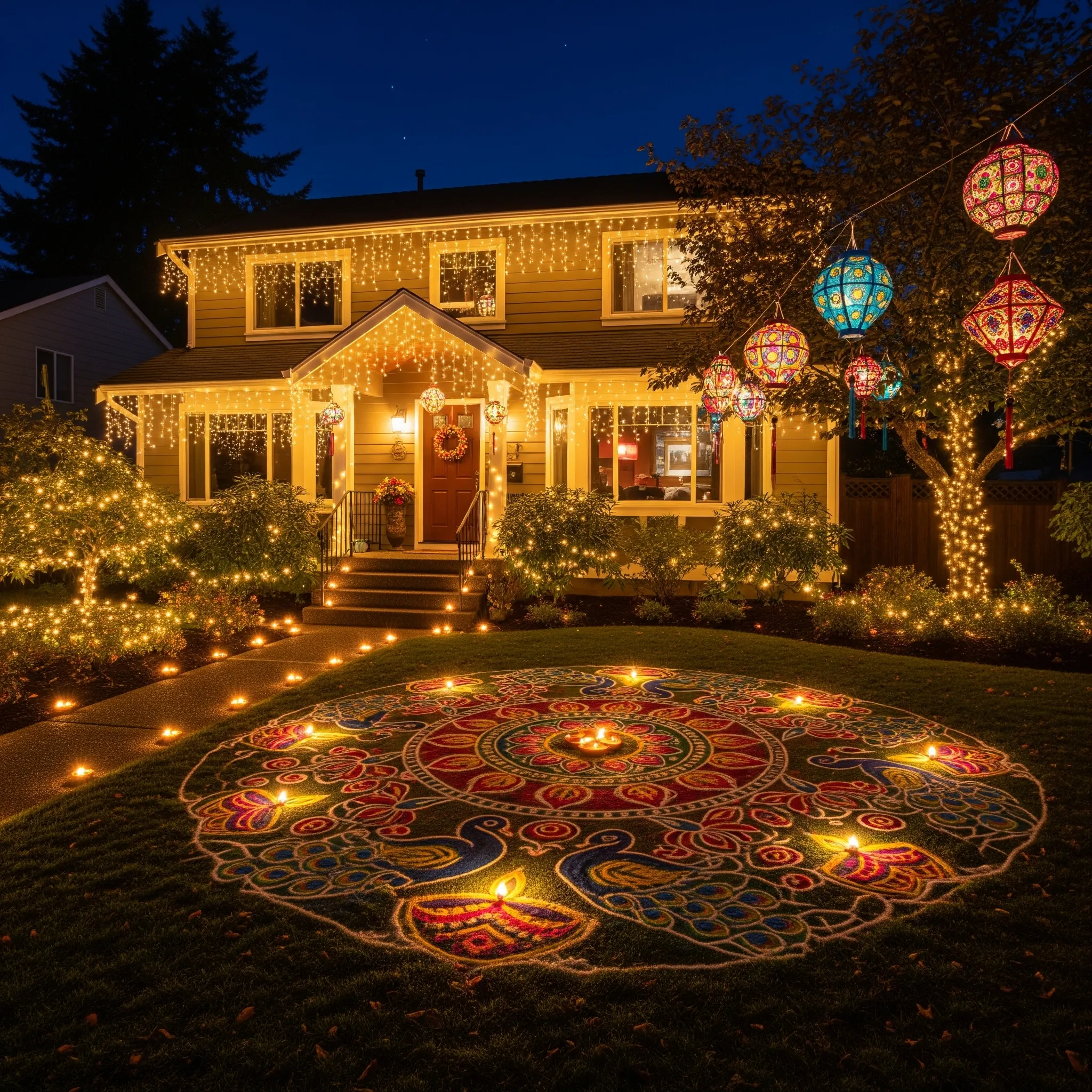
October in Denver can feel like the middle of winter. The city sits a mile high, and frigid air sweeps across the Front Range long before Diwali arrives. Celebrations that feature sparkling rooflines and warm yard displays have to contend with drifting snow, sudden freezes, and intense sunlight that reflects off ice. Residents who want their lights to shine through the unpredictable season must select equipment designed for alpine conditions and plan an installation that anticipates every snowflake. The payoff is a display that glimmers against white drifts and reassures guests that the festival of lights can brighten even the chilliest nights.
Choosing the right product is the first step. Denver's rapid temperature swings—from sunny afternoons to freezing nights—put stress on light strands. Look for commercial-grade LEDs with heavy-gauge wiring and ultraviolet-resistant housings. These units remain flexible in the cold and resist cracking when snow builds up. An IP65 or IP67 rating indicates the bulbs can handle moisture from melting ice. If your design calls for rope lights or net lights, opt for versions with molded connectors rather than simple clip-on plugs; molded seals resist water intrusion even when buried under a blanket of snow. Though these options cost more, the longevity and safety they provide during harsh weather make them a wise investment.
Denver averages over fifty inches of snowfall each year, and individual storms can drop more than a foot overnight. When mapping your lighting layout, consider how snow accumulates on roofs and around landscaping. On pitched roofs, locate anchor points above the typical snow line to avoid burying strands. For flat sections, install spacer clips that elevate lights an inch or two above the surface. This gap allows meltwater to drain and prevents bulbs from being encased in ice. When wrapping trees, leave slack in the wire so branches can droop under the weight of snow without snapping the strand.
Ground displays demand special attention. Stake lights along pathways should be tall enough to remain visible after several inches of snow. Use metal or high-impact plastic stakes that won't crack in cold soil. For dramatic driveway arches or entryway frames, reinforce joints with stainless steel screws and waterproof adhesive. These structures must withstand both the downward pressure of snow and lateral stress from shovels or snow blowers passing nearby. If you plan to outline shrubs or hedges, choose LED nets that allow you to shake off snow easily without damaging the foliage.
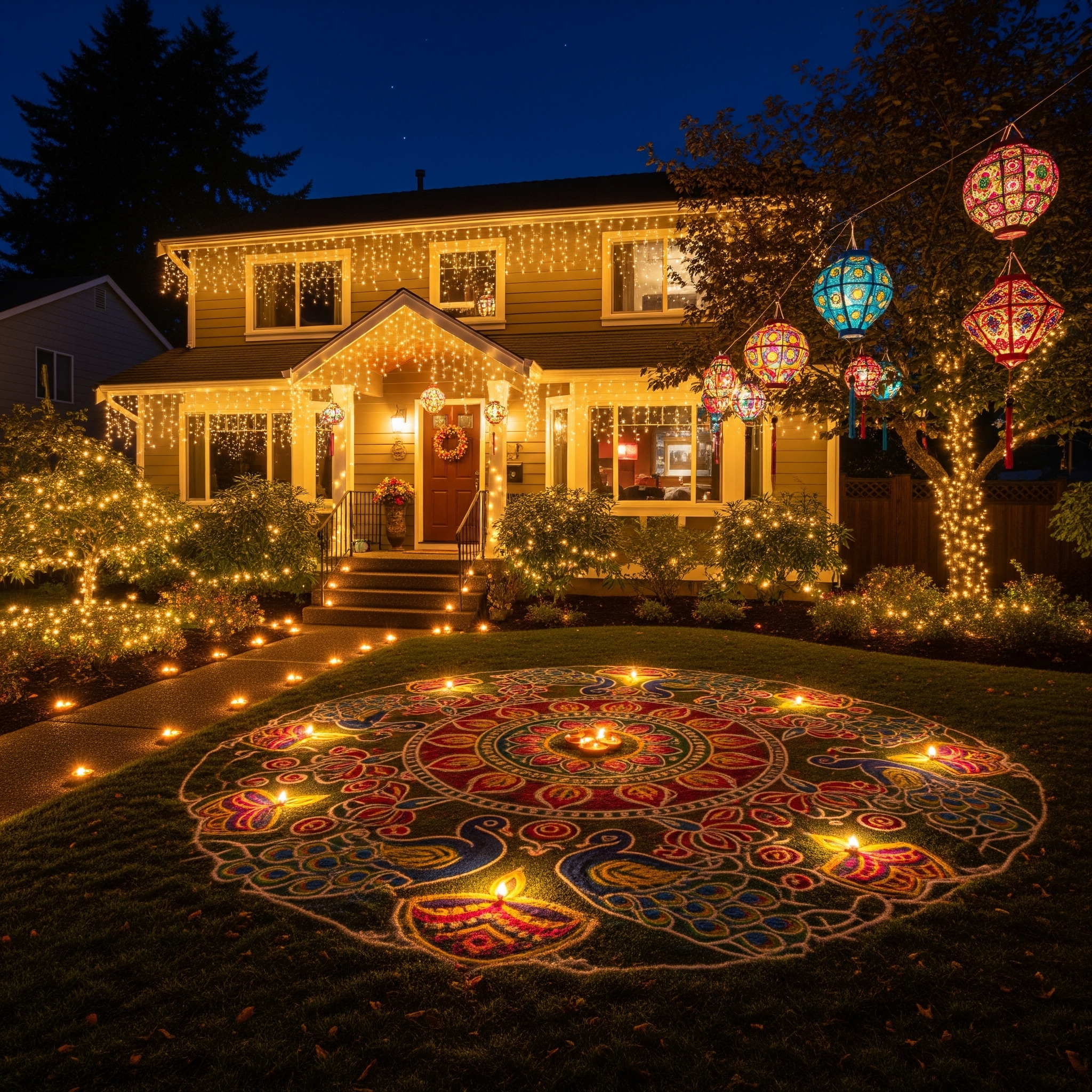
Electricity and melting snow can be a dangerous combination. Every power connection should be elevated off the ground using stakes or bricks. Wrap plugs in weatherproof covers with rubber gaskets to create a tight seal. For extra protection, slip a heavy-duty plastic bag over the cover and secure it with zip ties. Outdoor-rated extension cords of at least 14 gauge handle the long runs from garage outlets to roof peaks. Ground-fault circuit interrupter (GFCI) outlets are mandatory in damp conditions, instantly cutting power if a short occurs. Testing GFCIs before each season ensures they respond properly when needed.
Timers simplify power management during Denver's short daylight hours. Smart plugs that connect to Wi-Fi allow you to control the display from indoors, so you never have to venture into the snow to reset a tripped breaker. Many models include energy monitoring features, giving insight into how much power the display draws at peak times. Scheduling the lights to switch off during the brightest part of the day saves electricity and prolongs bulb life.
Installing lights in wintry conditions can be hazardous. Ladders placed on icy surfaces are prone to slipping, and cold metal tools sap dexterity. Whenever possible, complete installation before the first major snowfall. Wear insulated gloves with rubber grips and non-slip boots. If climbing is necessary, use a spotter and attach safety lines to anchor points on the roof. Pre-assembling light sections on the ground streamlines the process and reduces the time spent on ladders in cold weather. For large or complex displays, consider hiring professionals familiar with working in high-altitude winters. They possess specialized gear such as roof harnesses and can install lights efficiently while minimizing risk.
Maintenance is an ongoing task throughout the season. After each snowstorm, gently brush accumulations off lights using a soft broom. Avoid banging or shaking strands, as the cold plastic can crack under stress. Inspect zip ties and clips for brittleness; replace any that show signs of wear. Condensation inside bulbs should be addressed immediately—remove the bulb, dry the socket, and let the area warm before reinserting. Keeping a small repair kit on hand, complete with spare fuses and connectors, ensures that minor issues don't dim the entire display.
When spring finally arrives on the Front Range, it's tempting to rip out the lights and rejoice in warmer temperatures. However, careful storage prolongs the life of your investment. Allow all components to dry completely before packing them away. Coil strands loosely and secure them with Velcro straps rather than tight knots that kink wires. Store everything in labeled plastic bins with tight-fitting lids to keep out summer dust. Placing a few silica gel packets in each bin absorbs residual moisture, safeguarding circuits during the off-season. Document any damaged pieces so they can be replaced before the next Diwali season, preventing last-minute scrambles.
Ultimately, crafting a snow-ready Diwali display in Denver blends practicality with creativity. By selecting rugged materials, accounting for snow loads, and committing to routine maintenance, homeowners can celebrate the festival of lights without fretting over weather damage. The contrast between brilliant color and pristine snow creates a magical scene that resonates with the holiday's themes of triumph and renewal. Whether you handle installation yourself or enlist professionals, thoughtful planning ensures your lights survive every flurry and return year after year to brighten the Mile High City.