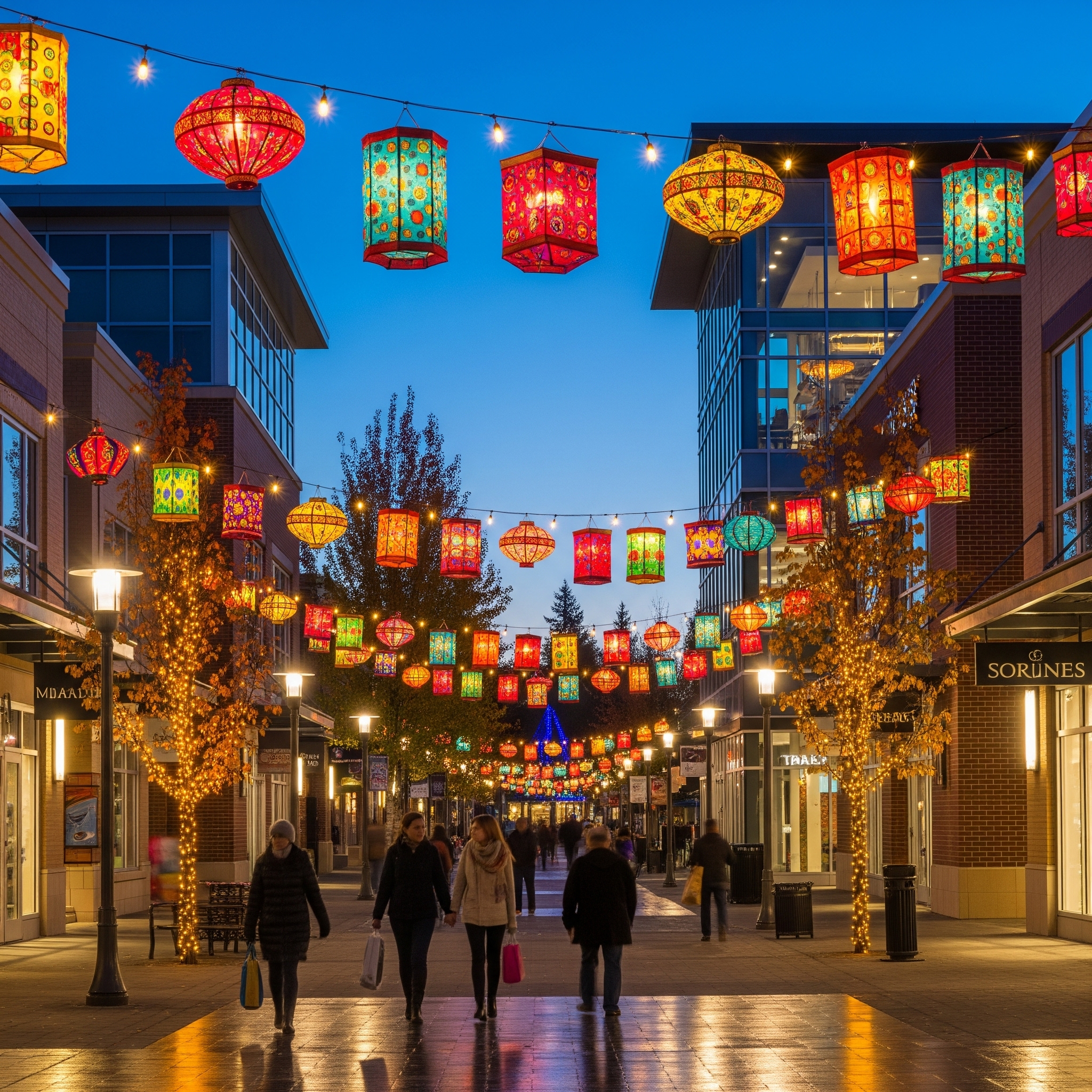
Early October in Seattle often feels like the middle of the wet season. Clouds roll off the Pacific, the wind pushes spray sideways, and even sturdy evergreens drip day and night. For families eager to set the tone for Diwali with rich light displays, the weather is more than an inconvenience. Moisture can short inexpensive strands, corrode connectors, and turn carefully arranged lawn pieces into a tangled mess. Building a monsoon-proof display requires a thoughtful plan that begins well before the first string of bulbs is hung.
A good starting point is understanding Seattle's unique microclimates. Neighborhoods perched on hillsides, such as Queen Anne or West Seattle, experience stronger gusts that drive rain deep into sockets. Low-lying areas near the ship canal or Lake Union face constant mist that coats every surface. When choosing lights, look for products rated IP65 or higher; these fixtures are sealed against heavy sprays and fine particulates. Commercial-grade LEDs not only offer brighter output but also come with gaskets around each diode, preventing water intrusion. Although the price is higher upfront, the longevity of these strands means you'll spend less on replacements in future seasons.
Once materials are gathered, sketch the layout of your home and identify sections that traditionally funnel water. Downspouts, roof valleys, and yard drains can overflow during a monsoon, so routing cords around these areas reduces exposure. For roofline installations, secure mounting clips under shingles rather than atop them. This technique keeps fasteners dry and prevents leaks. When draping lights across porches or trees, provide a slight downward slope at connection points so gravity directs water away from plugs. Even tiny adjustments can prevent puddles from forming around critical joints.
Because the soil in Seattle rarely dries completely between storms, ground contact should be minimized. Elevate transformers and plug hubs on bricks or plastic stakes. Running cords through sections of PVC pipe creates a small tunnel that keeps them out of standing water while also protecting against nibbling squirrels. If you rely on stakes to outline pathways or garden beds, choose models with internal channels so electrical runs are hidden from view and shielded from damp earth. These small investments maintain both safety and a polished appearance.

No matter how rugged the lights, the weakest link is often the point where two cords meet. Standard plastic couplers trap droplets that lead to corrosion. To avoid this issue, wrap connections in self-sealing silicone tape followed by a layer of electrical tape. Specialized weatherproof extension cord covers clamp tightly around plugs and include rubber gaskets, creating an extra barrier. For permanent installations, consider heat-shrink tubing that forms a custom seal when warmed with a heat gun. Label each connector before covering it so you can troubleshoot quickly without tearing apart your protective work.
Seattle's wind can be as troublesome as its rain. A gust that whips a strand loose may expose an uncapped plug or pull a cord into a puddle. When spanning large gaps, use nylon-coated guide wires. Attach light strings with zip ties at regular intervals; if a segment breaks free, the guide wire holds everything in place. For tree wraps, start with a secure anchor point high on the trunk and spiral downward, allowing a little slack for branches to sway. Regularly inspect the tension after major gusts to ensure nothing has shifted.
Even waterproof setups need upkeep during a long monsoon. Set reminders to walk the perimeter of your home after each major storm. Clear fallen leaves and pine needles from gutters and light fixtures—they act like sponges, trapping moisture against the housing. If you notice condensation inside a bulb, replace it immediately and dry the socket with compressed air before reinstallation. Keep a toolkit with spare fuses, zip ties, and desiccant packets so issues can be addressed on the spot.
Lighting timers are invaluable in damp climates. Rather than manually unplugging displays in the rain, program a smart timer to shut everything down during periods of extreme wind or lightning. Many modern controllers connect to weather apps, automatically cutting power if high winds are forecasted. This proactive approach not only preserves your lights but also reduces energy consumption when displays would otherwise be obscured by heavy rain.
While outdoor lights battle the storm, indoor displays provide a cozy counterbalance. Use battery-powered LED diyas and lanterns near windows to continue the festive glow even if external lights are temporarily off. These interior elements are safe from moisture but still benefit from smart planning. Place them on non-slip mats to avoid accidents, and select flameless candles with built-in timers so they illuminate at the same moment your outdoor lights return. Such coordination maintains a sense of celebration no matter the weather.
Don't overlook the importance of storage once Diwali passes. Proper drying before packing is essential. Lay strands on tarps in a garage and run a fan to circulate air for several hours. When completely dry, coil each string loosely and place desiccant packets in storage bins. Mark boxes with waterproof labels so next year's setup doesn't begin with a mystery. By storing carefully, you extend the life of your investment and start the next season with confidence.
For homeowners with steep roofs or limited time, hiring professionals can be the difference between a frustrating ordeal and a seamless experience. Reputable installers in the Puget Sound region carry insurance, use commercial-grade materials, and have techniques honed by years of battling the same weather that dampens your plans. Many companies offer maintenance packages that include mid-season inspections and post-storm touch-ups. This service allows you to enjoy the spectacle without climbing ladders or worrying about waterlogged wires.
Ultimately, monsoon-proofing your Diwali display is less about resisting nature and more about collaborating with it. By choosing robust materials, planning a smart layout, and committing to regular upkeep, your lights can shimmer against the rain-slick streets of Seattle. Neighbors will admire the persistent glow, and your family can focus on the joy of the festival rather than the stress of repairs. When the clouds finally part, your efforts will stand as a testament to preparation and the enduring spirit of Diwali.