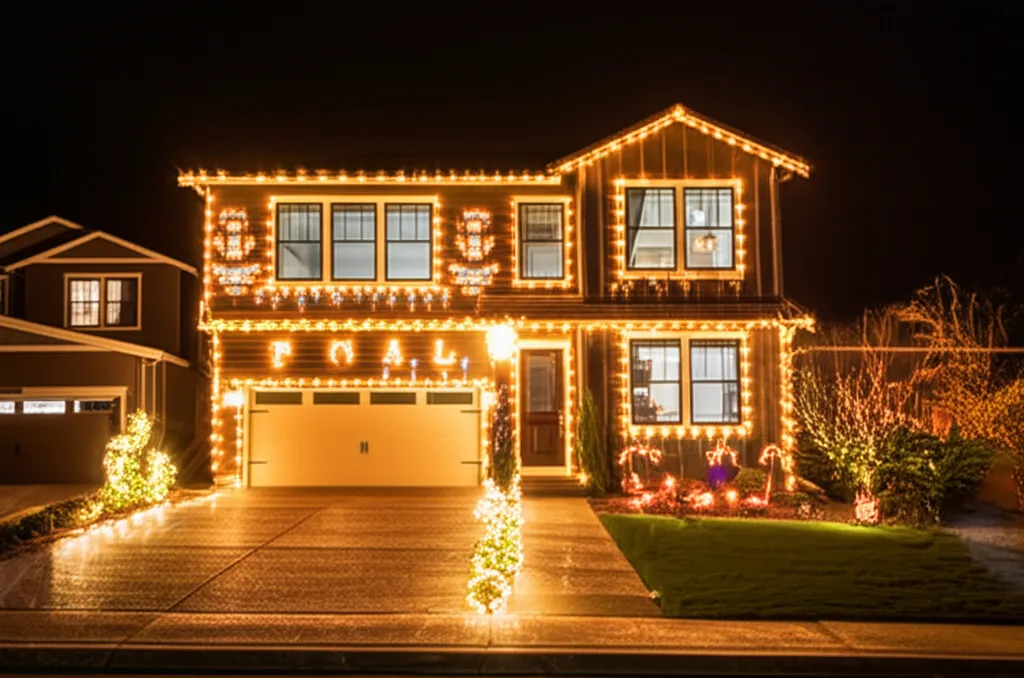
Diwali lighting evolves every year as homeowners combine tradition with contemporary technology. Where once a few strings of incandescent bulbs sufficed, today’s displays blend architectural precision, smart controls, and eco-conscious materials. The following trends showcase how households across the world are elevating their festival décor, creating scenes that are both stunning and sustainable. Whether you’re planning your first elaborate display or updating a long-standing family tradition, these ideas provide inspiration for a celebration that feels fresh yet honors the festival’s timeless spirit.
One of the most noticeable shifts in recent years is the move toward minimalist designs that highlight the natural lines of a home. Instead of covering every surface with lights, designers focus on crisp roofline traces and frame windows and doors with warm white bulbs. This restrained approach creates a sophisticated canvas. Homeowners then add high-impact accents such as star-shaped lanterns, cascades of fairy lights, or a single burst of color at the entrance. The contrast between the clean lines and the dramatic focal point draws the eye while keeping the overall composition elegant and uncluttered.
Achieving this look requires thoughtful planning. Measure each architectural feature and cut light strands to precise lengths for a tailored fit. Clips or channels that blend with the trim maintain the minimalist aesthetic even during daylight. Many decorators incorporate dimmers to adjust brightness, allowing the outline to glow softly during quiet evenings or shine boldly during gatherings. The result is a display that complements the home’s structure rather than overwhelming it.
Color-changing LEDs and app-based controllers have ushered in a new era of customization. With a few taps on a smartphone, homeowners can shift from traditional saffron and marigold hues to vibrant blues or greens for other holidays. Sequencing features sync lights to music, creating an interactive show that enthralls guests. Some systems allow zoning, enabling the front yard to pulse in warm shades while the roofline cycles through cool tones. This versatility means the same installation can serve Diwali, New Year’s, and birthdays without ever taking strands down.
When adopting smart RGB technology, quality is paramount. Look for controllers that store settings locally so your display still functions if the Wi-Fi drops. Waterproof housings and UV-resistant diodes ensure longevity. Because each pixel can draw more power than a simple white bulb, planning circuits to avoid overload is critical. Many homeowners install dedicated outdoor outlets with GFCI protection and use splitters designed for low-voltage systems.
Environmental awareness has become a defining element of modern design. LED lights consume a fraction of the energy required by incandescent versions, and solar-powered options reduce reliance on the grid. Manufacturers now offer strands made from recycled plastics or biodegradable materials, appealing to eco-conscious consumers. Some displays incorporate rechargeable battery packs charged during the day by discreet solar panels. These packs power the lights each evening, eliminating the need for long extension cords and reducing trip hazards.
Another green practice is timed illumination. Smart plugs or programmable timers ensure lights activate only during peak viewing hours. Not only does this conserve energy, but it also extends bulb life. Homeowners who track their energy use are often surprised at the minimal cost associated with a well-designed LED display, encouraging them to invest further in sustainable options.
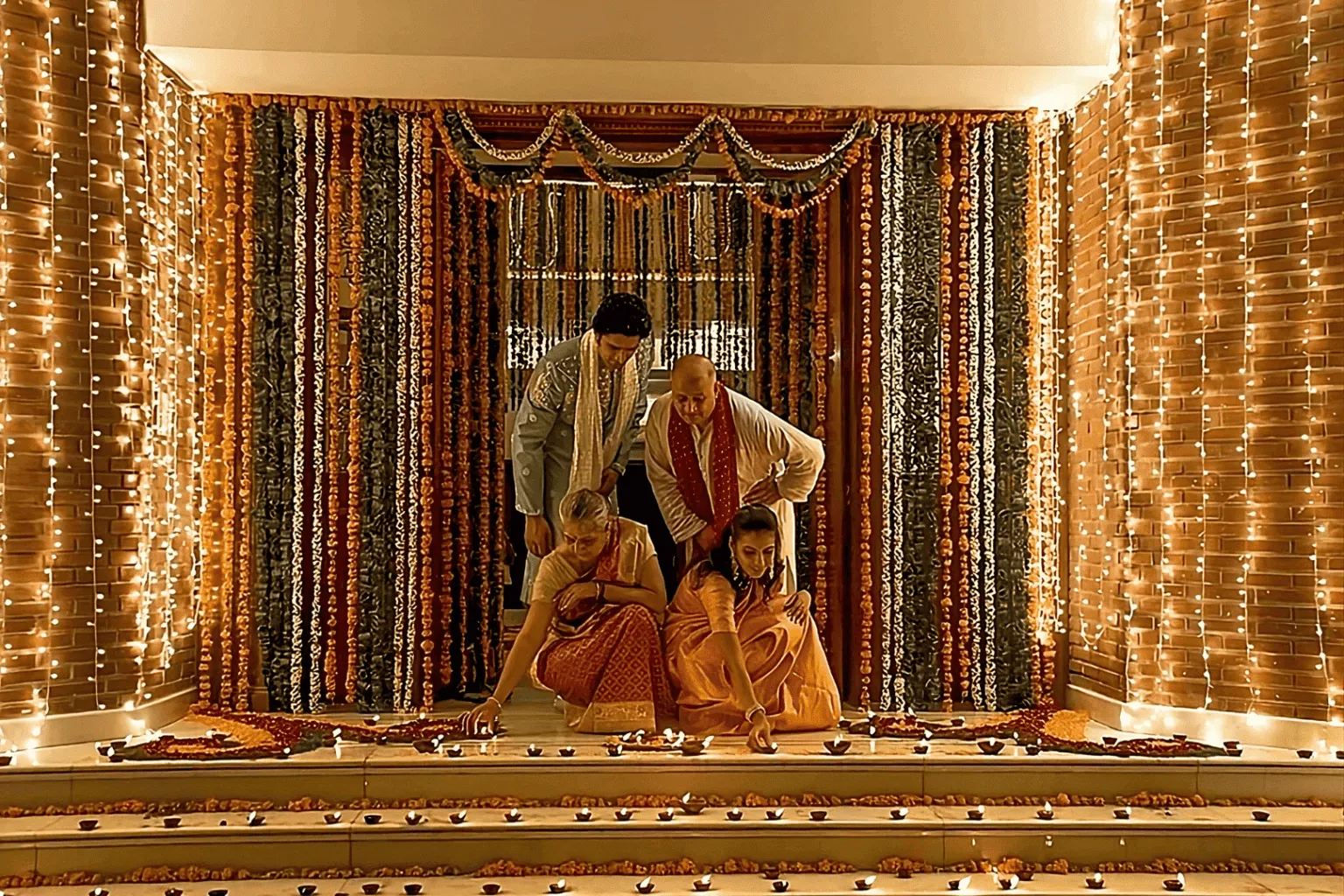
Diwali is a festival of togetherness, and lighting designs increasingly reflect that communal spirit. Interactive displays invite neighbors to participate—pathway lights that react to footsteps or QR codes that trigger a color sequence when scanned. Some families project light patterns onto a garage door and encourage passersby to choose the next hue via a web app. These participatory features transform passive viewing into an engaging experience, making the celebration memorable for guests of all ages.
Neighborhood collaborations are also on the rise. Groups of homeowners synchronize their displays, creating unified color themes or timed sequences that ripple down the street. This coordination fosters a sense of unity and can evolve into annual competitions or charity fundraisers. Coordinated displays benefit from shared resources, such as renting a high-end projector or purchasing bulk LED strands for discounts.
Despite the influx of modern technology, traditional motifs remain central to Diwali. Many designers layer contemporary lighting over classic elements like diyas, paper lanterns, and rangoli patterns. For example, a front porch might feature a digital projector casting animated rangoli while real diyas line the steps, their flames mirrored by soft LED uplights. This blend honors heritage while ensuring the display is visible from a distance. Warm white or amber LEDs mimic the glow of oil lamps, creating a cohesive palette that ties modern and traditional elements together.
Layering also extends vertically. Tree canopies glimmer with string lights while ground-level shrubs feature net lighting in complementary colors. Pathways are illuminated with low-voltage fixtures that guide visitors toward the main celebration area. By varying height, color temperature, and intensity, homeowners create depth and visual interest that unfolds as guests approach.
Projection mapping, once reserved for large public installations, has entered the residential sphere. Compact projectors paired with mapping software can transform a plain exterior wall into a canvas for swirling patterns, diya animations, or even short stories from Hindu mythology. When combined with synchronized audio, these projections create an immersive experience reminiscent of stage performances. The technology requires careful calibration and a stable surface, but the effect is unmatched in its ability to captivate.
For those seeking a simpler option, laser projectors scatter thousands of tiny points of light across surfaces, producing a starry backdrop that enhances other decorations. While these devices are easy to set up, it's important to angle them away from streets to avoid distracting drivers and to verify they comply with local regulations regarding laser use.
The rapid evolution of Diwali lighting suggests that even more innovative trends are on the horizon. Advances in flexible OLED panels may soon allow homeowners to wrap columns or railings with thin sheets of light. AI-driven controllers could analyze a home's architecture and propose optimal color schemes. As smart homes become more prevalent, integration with voice assistants will enable effortless control, letting celebrants set the mood with a simple command.
Regardless of the technology, the heart of Diwali lighting remains the same: a desire to dispel darkness and share joy. By embracing new trends thoughtfully, you can craft a display that dazzles without losing the personal touch that makes the festival meaningful. Experiment with emerging ideas, adapt them to your space, and continue to let light be the centerpiece of your celebration.